The U.S. Social Security program has completed its transition away from paper checks. Payments are now delivered only through electronic methods. This change affects how beneficiaries receive funds and how they must manage payment details.
Why Social Security Goes Fully Digital
The move to digital payments simplifies distribution and reduces fraud and delays. Electronic payments are faster, more secure, and cost less to administer than mailed paper checks.

When Social Security goes fully digital, the agency expects fewer lost or stolen payments and quicker access to funds for recipients. This requires most recipients to use direct deposit or an approved electronic card.
What No More Paper Checks Means for You
No more paper checks means you will not receive a mailed paper check from the Social Security Administration. Instead, benefits will arrive electronically on your scheduled payment day.
If you already use direct deposit or the Direct Express card, your payments continue with little change. If you still receive paper checks, you must switch to an electronic option.
Common electronic options when Social Security goes fully digital
- Direct deposit to a bank or credit union account
- Direct Express prepaid debit card for those without bank accounts
- Electronic transfer to a mobile banking account where permitted
How to Prepare for No More Paper Checks
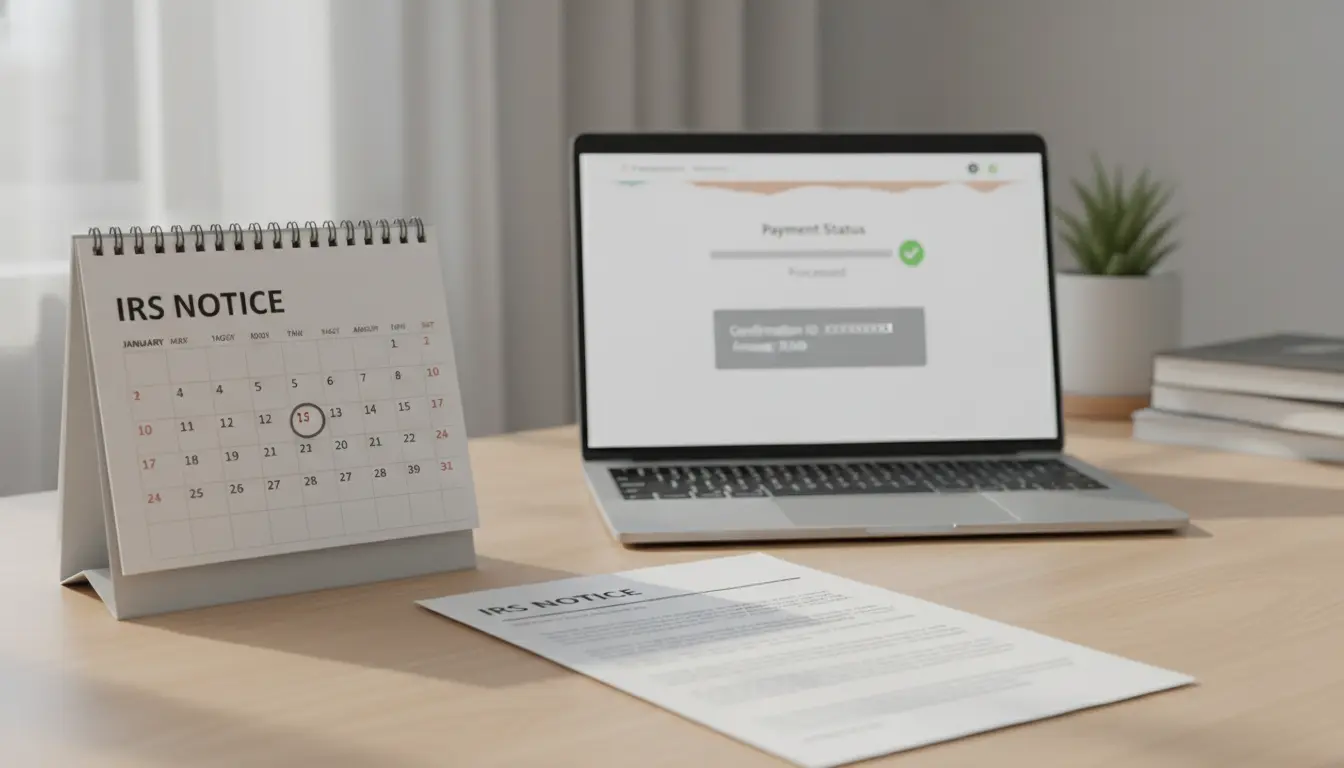
Preparing for the change is straightforward. Confirm the bank or card where you want your payment sent, and update your Social Security record if needed.
Follow these steps so your benefits continue without interruption.
Set up Direct Deposit
Direct deposit is the fastest and most common option. To set it up, gather your bank routing number and account number. You can enroll online at SSA.gov or by calling Social Security.
- Visit my Social Security at SSA.gov and sign in or create an account.
- Go to the payments section and add or update your bank account information.
- Confirm enrollment and watch for the first electronic deposit on your payment date.
Use the Direct Express Card

If you do not have a bank account, the Direct Express prepaid debit card remains an option. The card works like a bank debit card and can be used at ATMs, for purchases, and to pay bills.
To apply, visit the Direct Express website or call the customer service number. Your payments will be loaded automatically to the card on payment days.
Update Your Information Online
Updating your address, banking details, or contact information is important when Social Security goes fully digital. Use your online account or contact Social Security directly to make changes.
Keep your email and phone number current to receive notices about payments and account activity.
Since federal legislation, most federal benefit payments have been electronic for years. The recent shift ends the last routine use of mailed paper Social Security checks in the U.S.
Security and Fraud Prevention When Social Security Goes Fully Digital
Going fully digital changes the risk profile but also strengthens fraud protections. Electronic delivery reduces risks tied to stolen mail and forged checks.
Still, follow good security practices to protect your account and benefits.
Practical security tips
- Use strong, unique passwords for your my Social Security account and enable two-factor authentication if available.
- Monitor your bank account or Direct Express card statements each month for unexpected transactions.
- Never share your Social Security number, bank routing, or account numbers in unsolicited calls or emails.
What to Do If You Miss a Payment or Encounter Problems
If an electronic payment does not arrive, act quickly. First, check with your bank or card issuer to see if the deposit is pending or held.
If the payment is not located, contact Social Security. They will confirm the payment status and advise next steps to recover funds or correct errors.
Small Case Study: A Real-World Transition
Margaret, a 72-year-old retiree in Ohio, received paper checks for decades. After the shift, she enrolled in direct deposit at SSA.gov using her checking account details.
Within two payment cycles, her benefits arrived in her bank account on the expected date. The change eliminated the need to drive to the bank to cash checks and reduced anxiety about lost mail during winter months.
Margaret’s experience is typical: a short enrollment process and a quick transition with fewer interruptions.
Resources and Final Checklist
Use these resources and a brief checklist to complete the transition before or shortly after the full digital cutoff.
- Visit SSA.gov and sign in to your personal account
- Choose direct deposit or enroll in Direct Express if you lack a bank account
- Confirm contact details and mailing address to receive notices
- Monitor your first two electronic payments to ensure correct routing
- Keep records of confirmations and transaction receipts for your files
When Social Security goes fully digital, the change is designed to streamline payments and improve security. With a short preparation period, most beneficiaries can switch smoothly to electronic delivery and avoid interruptions in income.