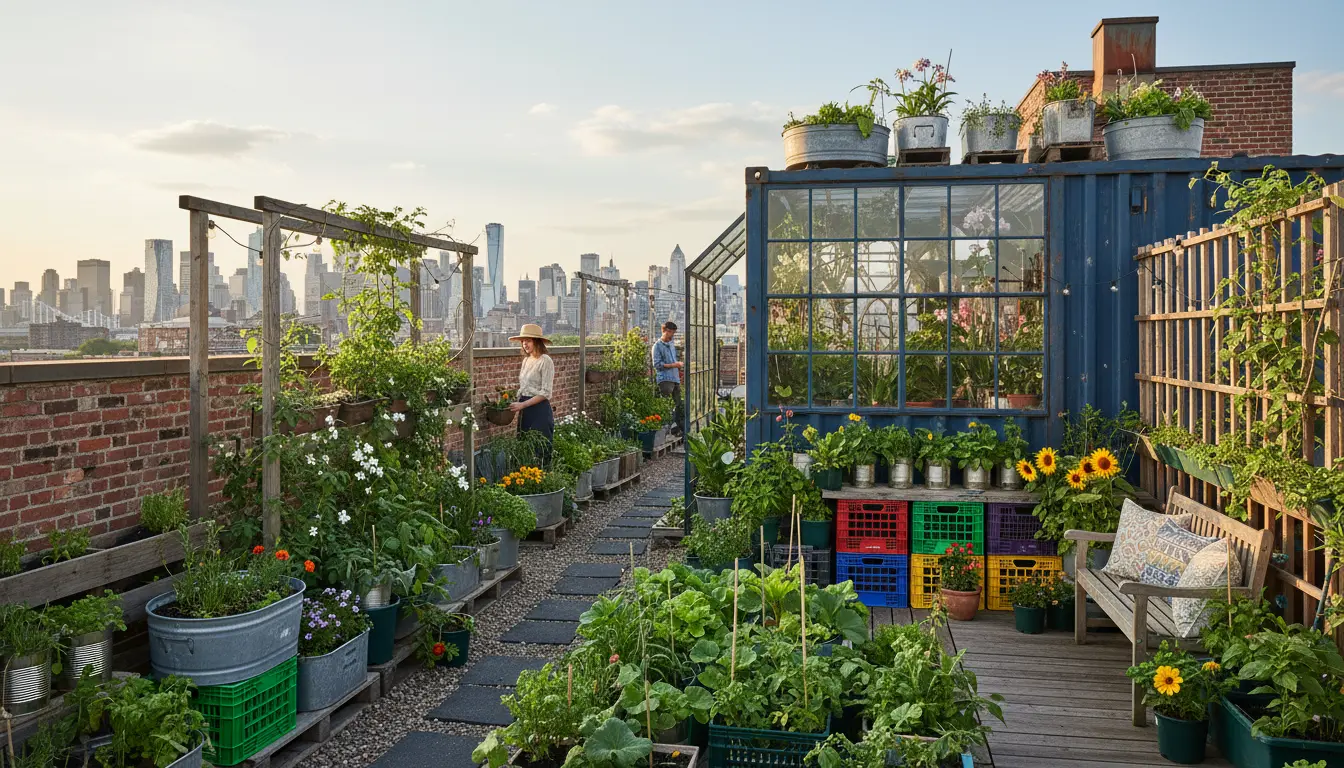
Starting a container vegetable garden is a practical way to grow fresh food when space is limited. This guide walks you through planning, pot selection, soil, watering, and maintenance so you can get edible results quickly.
Why choose a container vegetable garden
Container gardening works on balconies, patios, rooftops, and small yards. It reduces weeds, lets you control soil quality, and keeps plants accessible for frequent care.
Containers also allow you to move plants for sun, shade, or protection from weather and pests. This flexibility is ideal for beginners and urban growers.
Planning your container vegetable garden
Before buying pots or soil, assess light, space, and water access. Most vegetables need 5–8 hours of direct sun per day.
Decide whether you want edible herbs, leafy greens, roots, or fruiting plants. Group plants with similar light and water needs together.
Choose the right location for container gardening
Look for stable, level surfaces that drain well. Balconies and patios often work well, but avoid areas with strong wind or constant shade.
Consider access to a hose or watering can. Carrying heavy containers long distances makes routine care less likely.
Selecting pots and containers
Container size directly affects which vegetables you can grow. Use larger pots for deeper-rooted or fruiting plants and smaller pots for herbs and lettuce.
- 4–6 inch pots: herbs and seedlings
- 1–3 gallon pots: lettuce, spinach, radishes
- 5–10+ gallon pots: tomatoes, peppers, eggplants, bush beans
Ensure each container has drainage holes. If pots are heavy to move, place them where they will remain for the season.
Soil and container mix for healthy plants
Use a high-quality potting mix made for containers rather than garden soil. Potting mixes maintain air, drain well, and reduce compaction.
Look for mixes containing peat or coconut coir, perlite or vermiculite, and compost. You can amend with slow-release fertilizer or use liquid feed during the season.
Soil depth and root requirements
Match soil depth to root size. Carrots and beets need deeper containers (10–12 inches) while leaf greens do fine in 6–8 inches.
For vertical or flexible setups, consider grow bags or troughs if depth is limited.
Watering and drainage tips
Containers dry out faster than ground beds, so consistent watering is essential. Water deeply until excess drains from the bottom to encourage root growth.
- Morning watering reduces disease risk.
- Use mulch on top of container soil to slow evaporation.
- Self-watering containers reduce daily effort and stabilize moisture.
How to tell if a container needs water
Stick your finger into the soil up to two inches; if it feels dry, water. Lift smaller pots to feel weight differences between wet and dry soil.
Plants in containers can need up to three times more frequent watering than those in the ground, especially in hot weather. Using 50% compost in the potting mix improves water retention and nutrient supply.
Best vegetables for container gardening
Choose varieties bred for containers or compact growth. Many vegetables perform well when given adequate soil and water.
- Tomatoes: bush or patio varieties work best
- Peppers: compact bell and hot pepper varieties
- Lettuce and salad greens: quick harvests and continuous sowing
- Herbs: basil, parsley, chives, cilantro
- Root crops: radishes and baby carrots in deep pots
Feeding and maintenance for container vegetable gardens
Containers have limited nutrients, so plan regular feeding. Use a balanced liquid fertilizer every 2–4 weeks, or slow-release granules at planting.
Monitor for pests and diseases. Handpick pests, use insecticidal soap if needed, and avoid overwatering to reduce root rot.
Support and pruning
Provide stakes, cages, or trellises for tomatoes, peas, and vining plants. Remove dead leaves and pinch back growth to encourage productivity.
Small case study: Balcony success with container gardening
Maria had a south-facing balcony and started a container vegetable garden using five 10-inch pots. She planted a dwarf tomato, two pepper plants, a mixed salad pot, and a herb pot.
She used a commercial potting mix with compost and applied liquid fertilizer every three weeks. By mid-summer, she harvested daily salad greens and several tomatoes per plant, enough for weekly meals.
Takeaways: match pot size to plant, ensure regular watering, and pick compact varieties for limited space.
Seasonal tips and common mistakes to avoid
Rotate crops or replant fresh varieties after harvest to avoid soil fatigue. Mulch and shade during heatwaves to protect roots and reduce watering needs.
- Avoid using garden soil in pots — it compacts and drains poorly.
- Don’t ignore drainage — standing water kills roots.
- Start small and expand after a successful season.
Final checklist to start your container vegetable garden
- Choose a sunny location and measure space.
- Select appropriate container sizes for chosen plants.
- Buy quality potting mix and drainage-friendly pots.
- Plan a watering schedule and feeding routine.
- Pick compact or container-friendly vegetable varieties.
With planning and regular care, a container vegetable garden yields fresh produce and gardening satisfaction in small spaces. Start with a few pots and learn what works for your light and climate.