Starting a vegetable patch can be simple and rewarding. This guide explains how to start a small vegetable garden with clear steps you can follow in a weekend. It focuses on practical choices for limited space and first-time gardeners.
How to Start a Small Vegetable Garden: Plan Your Space
Begin by assessing space, light, and access to water. A small garden needs at least 4–6 hours of direct sunlight for most vegetables.
Write down goals and constraints. Decide whether you prefer containers, raised beds, or a small in-ground plot.
Choose the right location
Pick a spot that gets morning sun and has good drainage. Avoid low areas that collect water after rain.
Consider convenience: closer to the house means easier watering and harvesting.
Decide container vs. bed
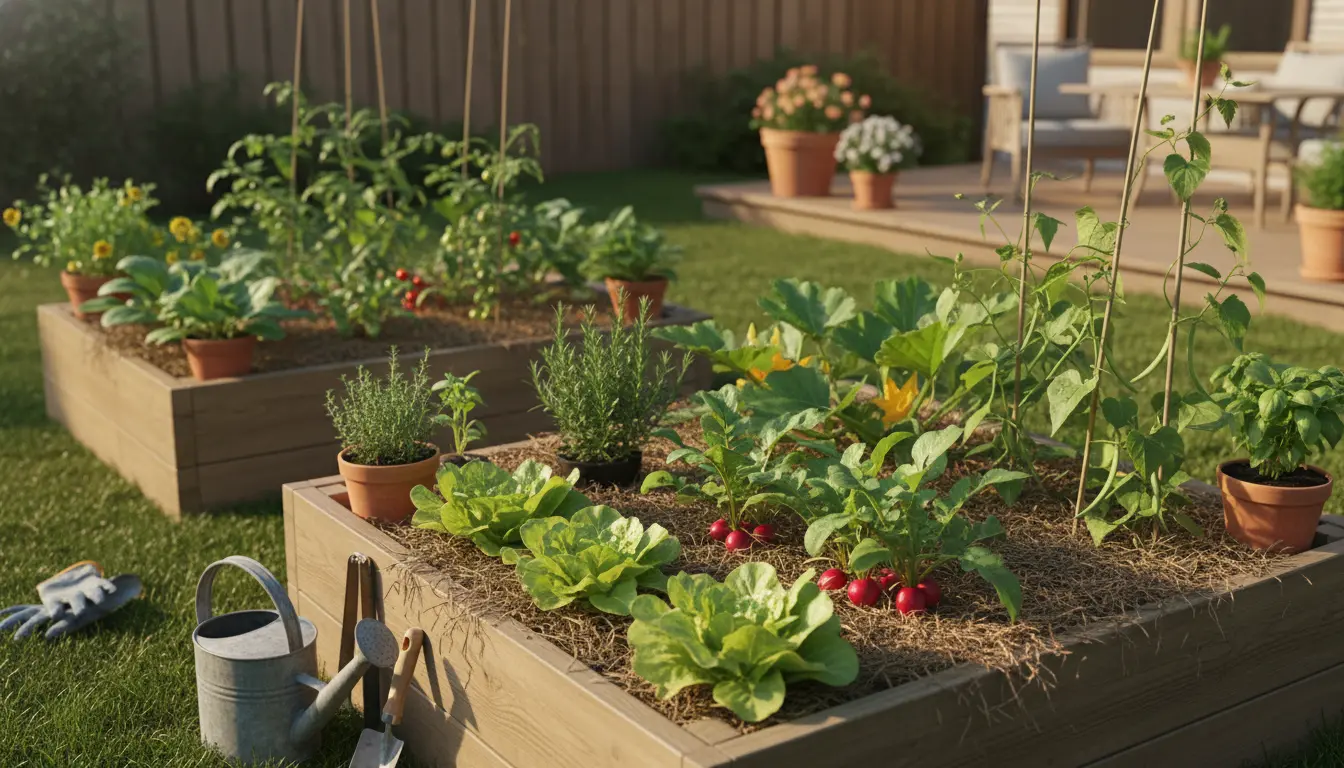
Containers work well on balconies and patios. Raised beds suit tiny yards and improve soil control.
- Containers: Use 5–10 gallon pots for most vegetables.
- Raised beds: 3–4 feet wide is manageable for weeding and harvesting.
- In-ground: Ideal if soil is good and space is stable.
How to Start a Small Vegetable Garden: Soil and Containers
Soil quality is the single biggest factor for success. For containers, buy a high-quality potting mix that drains well.
For beds or ground plots, loosen the top 8–12 inches and add organic matter to improve texture and fertility.
Improve soil cheaply
Add well-rotted compost or aged manure at a rate of 2–3 inches over the bed and work it in. Compost provides nutrients and helps retain moisture.
Simple soil test kits are inexpensive and show pH and nutrient status. Most vegetables prefer pH 6.0–7.0.
Container tips
- Choose pots with drainage holes.
- Use lightweight potting mix for mobility.
- Place saucers under pots to protect surfaces and catch overflow.
How to Start a Small Vegetable Garden: Plant Selection and Timing
Pick vegetables that fit your climate, space, and cooking preferences. Focus on high-yield, compact varieties for small gardens.
Easy vegetables for small gardens
- Leafy greens: lettuce, spinach, and Swiss chard—fast and space-efficient.
- Tomatoes: choose patio or determinate varieties suitable for containers.
- Peppers: compact and productive in pots.
- Herbs: basil, parsley, and cilantro for continuous harvests.
- Root crops: radishes and baby carrots in deep containers or beds.
Timing and succession planting
Check local frost dates and plant accordingly. Use succession planting to get continuous harvests by sowing small amounts every 2–3 weeks.
Cool-season crops go early spring and fall. Warm-season crops follow after last frost.
How to Start a Small Vegetable Garden: Care and Maintenance
Consistent care beats heroic efforts. Watering, feeding, and quick pest checks keep plants healthy.
Watering
Water deeply and less often to encourage strong roots. Aim for the soil surface to stay moist but not waterlogged.
Morning watering reduces disease risk. Drip irrigation or soaker hoses save water and time.
Feeding and mulching
Use a balanced organic fertilizer monthly during the growing season. Mulch conserves moisture and suppresses weeds.
- Apply 1–2 inches of organic mulch around plants.
- Top-dress containers with compost every month.
Pest and disease basics
Inspect plants weekly. Handpick large pests and use insecticidal soap for soft-bodied insects like aphids.
Rotate crops yearly and remove diseased foliage to reduce recurring problems.
Many compact vegetable varieties were bred specifically for containers and small spaces, producing nearly as much as full-size garden varieties in less room.
Harvesting and Small Garden Efficiency
Harvest vegetables at peak ripeness for best flavor. Regular harvesting also encourages more production from plants like lettuce and herbs.
Maximize yield by combining tall and low plants—tomatoes with basil, or pole beans on trellises with root crops below.
Storage and use
Plan simple preservation: blanch and freeze excess greens, or dry herbs to extend the harvest season. Sharing surplus with neighbors helps avoid waste.
Case Study: Maria’s Balcony Garden
Maria started a balcony garden with four 10-inch pots and a 4×2 foot raised trough. She chose a determinate tomato, basil, leaf lettuce, and radishes.
Using a lightweight potting mix and morning watering, she harvested salad greens within four weeks and tomatoes by late summer. Her total investment was under $120, and she used a watering can and organic fertilizer monthly.
Her key wins: choosing compact varieties, consistent watering, and succession planting for continuous salads all season.
Quick Checklist to Start a Small Vegetable Garden
- Assess light and space (4–6+ hours sun).
- Choose containers or raised bed layout.
- Use quality potting mix or enrich bed soil with compost.
- Select compact vegetable varieties suited to your climate.
- Water deeply, mulch, and fertilize monthly.
- Inspect plants weekly for pests or disease.
Starting a small vegetable garden is practical and achievable with a bit of planning. Focus on soil, suitable varieties, and simple maintenance routines to get regular, fresh produce from small spaces.